CHESSBOOKS.IN JOURNAL
In-Between Moves: The Intermezzo
Every improver learns the same lesson the hard way: your opponent captures your knight, you instantly recapture — and only afterwards notice that the recapture was a blunder. The move you skipped is the intermezzo (from the German Zwischenzug, “in-between move”): a check, capture or threat inserted before the automatic recapture.
By the end of this article you will know when to look for the in-between move, and have five puzzles where it is the whole point.
Why the intermezzo works
Recaptures are automatic — which is exactly why they are exploitable. When your opponent expects you to recapture, they are giving you a free tempo. The in-between move turns your “obligation” into an opportunity:
- a check that forces the king to move, changing the recapture;
- a capture on the other side of the board, winning material before the recapture happens;
- a threat bigger than the one you were answering.
The rule of thumb: if your opponent gives you something, ask whether you can give them something bigger first.
Spot the intermezzo
The trigger is simple: a capture or attack on one of your pieces. Before you recapture, scan for your own checks and bigger captures. The in-between move is usually a check — because checks cannot be ignored, they force your opponent to lose the tempo they thought they had won.
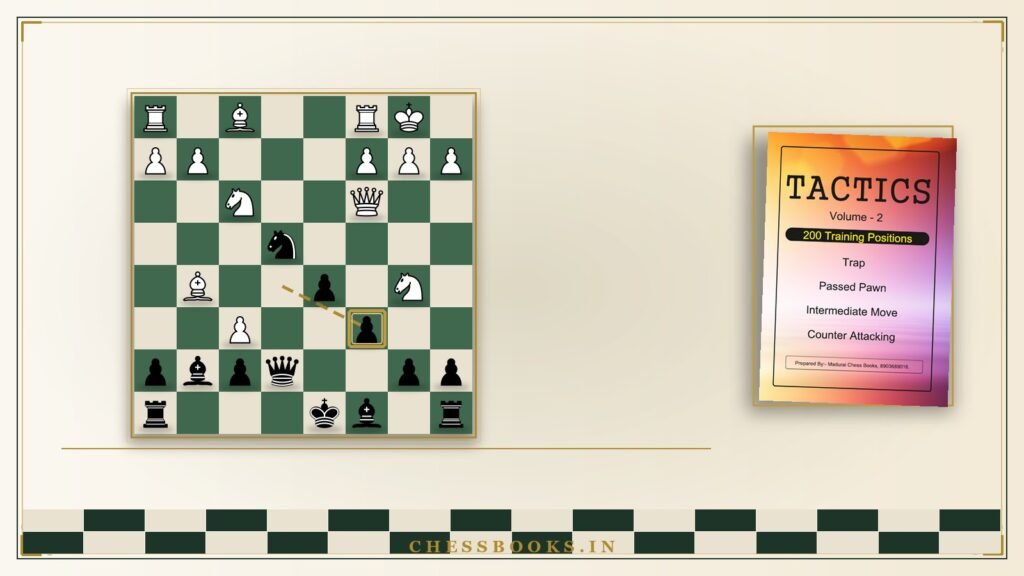
Notice what happens: the “obvious” recapture would walk into a problem, but the in-between check reorders the whole line. This is the pattern in a nutshell — a forcing move inserted where the opponent assumed your move was forced.
When recapturing is right
The intermezzo is not always correct. Three checks before you do anything is how you blunder your own pieces. The skill is the scan: one second to ask “is there a check, capture or threat bigger than my problem?” — then decide. Players who skip the scan recapture blindly; players who only ever interpose never develop a plan.
Common mistakes
- Recapturing on autopilot. The automatic move is the one your opponent wants you to play.
- Interposing for its own sake. The in-between move must be forcing and useful — otherwise you just wasted a tempo.
- Missing the opponent’s intermezzo. They get to play one too. If your line assumes a recapture, check whether they can interpose first.
- Stopping the scan after one candidate. Checks, captures, then threats — in that order, every time.
Practise the in-between move
The Tactics Vol 2 book is built around exactly these positions — in-between moves, counterattacks and the tactical surprises that appear when a recapture is assumed. It is the natural next step after the basic tactics volumes.
Browse the exercise books, and read Why Pattern Recognition Wins Games to understand where the intermezzo fits in the bigger picture.