CHESSBOOKS.IN JOURNAL
How Many Puzzles a Day Should You Solve?
Ask ten players how many puzzles to solve daily and you will get ten answers, from “ten” to “as many as possible”. The honest answer is more specific: the number that keeps your accuracy high. Puzzle training is not a volume game — it is an accuracy game.
By the end of this article you will have a concrete daily number for your level, and a method to make every puzzle count.
Quality over quantity
The research and the coaching experience agree: a player who solves ten puzzles at 90% accuracy improves faster than one who solves fifty at 60%. Why? Because the skill being trained is not “finding the answer” — it is the process: scanning, calculating, verifying. Rushing through fifty puzzles trains rushing. Ten careful ones train calculation.
Find your number
Use your accuracy as the guide:
- If you solve 90%+ of your set correctly — you are underworked. Raise the difficulty or add 5 more.
- If you solve 70-90% — you are in the sweet spot. Keep the dose.
- If you solve below 70% — you are overreaching. Drop the count, keep the accuracy, and let the patterns settle.
For most players the sweet spot is 10-15 quality puzzles a day, solved with the full method — candidates, calculation, verification — not timed speed-solving. Twenty minutes of deliberate solving beats an hour of clicking.
Try your daily dose
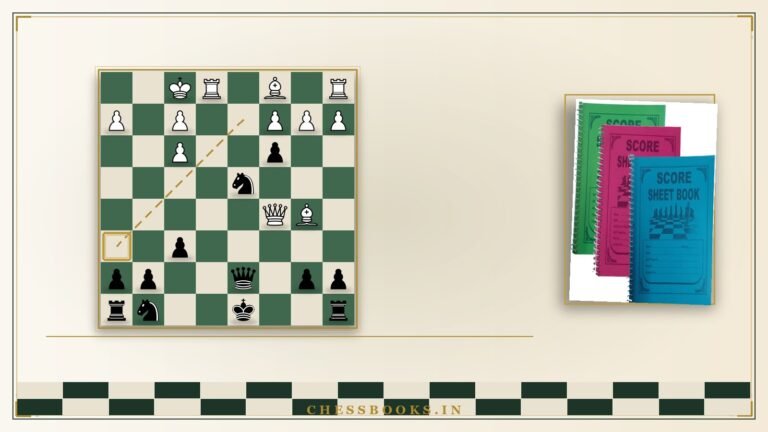
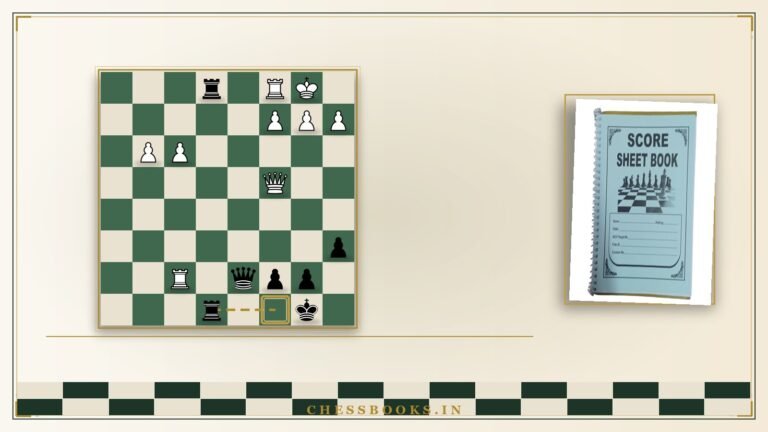
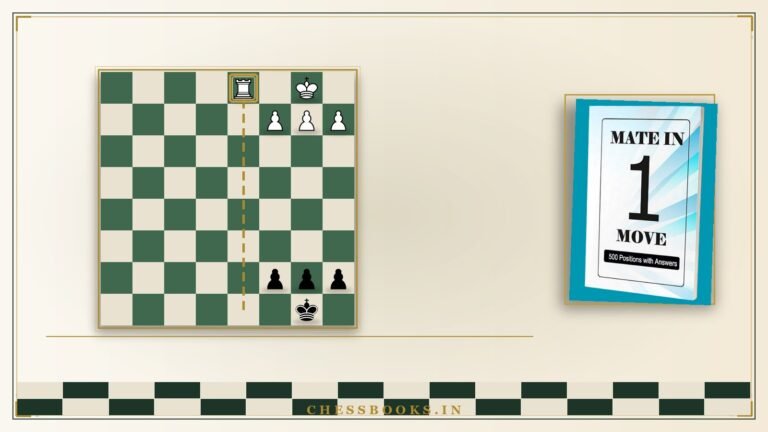
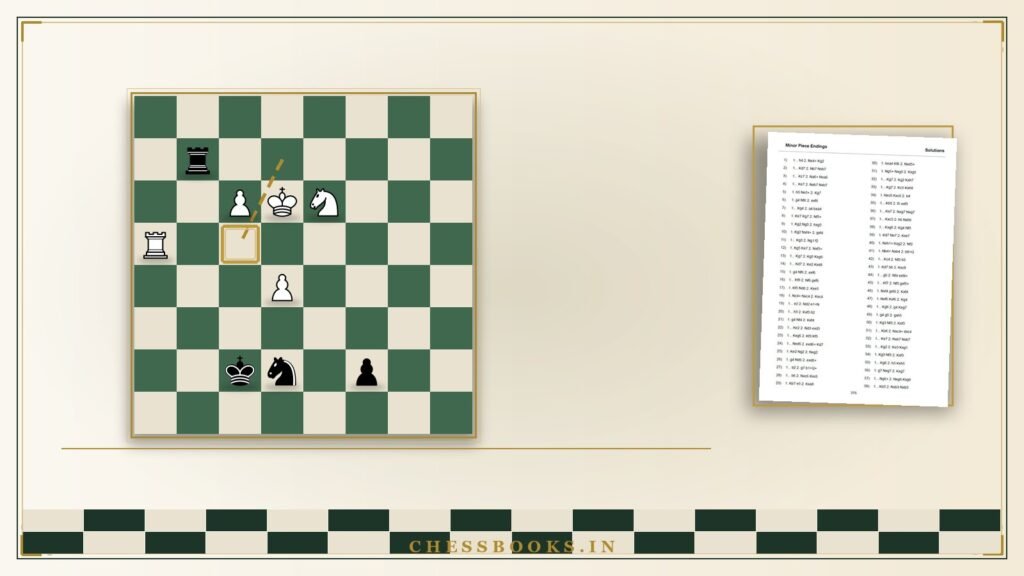
Here is a sample micro-set at the level a solid daily session should feel like — solvable, but requiring the method:
Common mistakes
- Speed-solving. Timing yourself on easy puzzles trains guessing. Accuracy first, speed comes later and by itself.
- Binge days. Fifty puzzles on Sunday and nothing all week is worse than fifteen a day. Consistency is the variable that matters.
- Never reviewing misses. A wrong puzzle contains the lesson. Write down why you missed it — then it stops happening.
- Ignoring the accuracy signal. Your percentage is your training dashboard. Ignore it and you are flying blind.
Build the daily habit
A 1001-puzzle course is the perfect companion to a daily dose: enough volume for a year of 10-a-day solving, ordered by theme and difficulty so the accuracy stays high. Pair it with How to Solve Chess Puzzles the Right Way for the method behind every solve.
Browse the exercise books, and structure the rest of your study time with The 30-Minute Daily Chess Training Routine.